Artificial Turf in Erie, CO
Expert artificial turf services in Erie and the greater Denver metro — call (720) 737-8308 for a free consultation.
Artificial Turf Services in Erie, Colorado
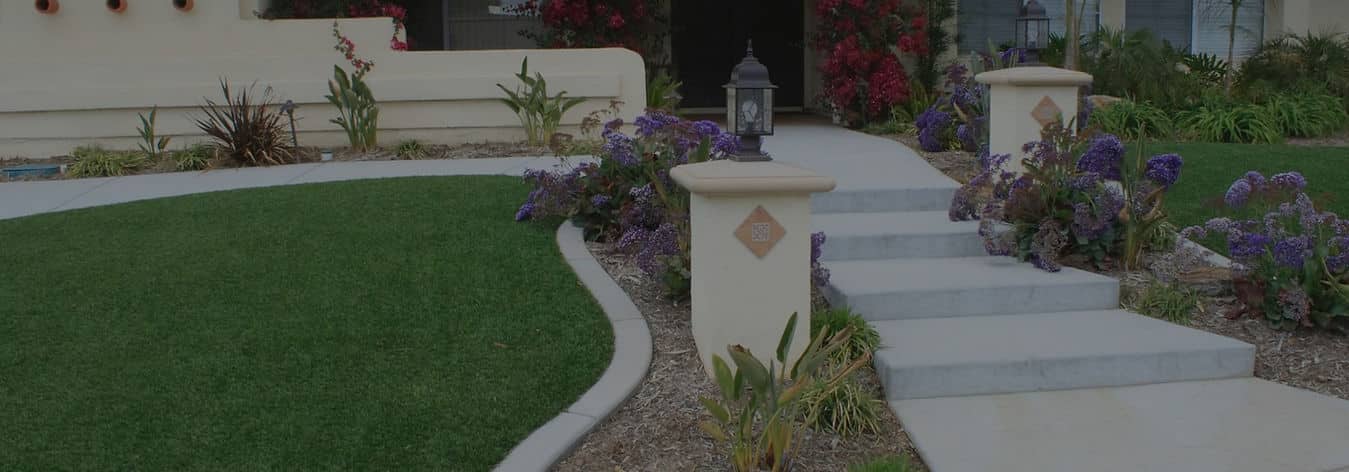
Erie's semi-arid prairie climate — with average annual precipitation below 14 inches — makes natural bluegrass lawns expensive to maintain as water bills climb during Colorado's dry summers and periodic drought restrictions limit irrigation in Adams and Weld counties. Blackpine Hardscapes installs Erie artificial turf in front yards, back yards, and pet areas with proper crushed aggregate base and perimeter edging that handles the wind and freeze-thaw conditions common across Weld County's open prairie setting.
At Blackpine Hardscapes, we bring over 20 years of Colorado hardscaping experience to every project in Erie. We understand Weld County's soil conditions, HOA requirements, and the climate challenges that affect every outdoor installation in this region. Every project is designed from scratch for your specific property, vision, and budget.
Get a Free QuoteArtificial Turf in Erie — What to Expect
Our process covers every detail so your project in Erie is stress-free from design through installation.
Why artificial turf makes financial sense in Colorado
Colorado's water pricing makes artificial turf a better economic argument here than in most parts of the country. Aurora Water and other Front Range utilities use tiered pricing structures where outdoor irrigation costs escalate sharply after baseline usage. A Kentucky Bluegrass lawn typically costs $600–1,200 per year in water alone. Artificial turf removes that expense entirely. Installation cost usually recovers in saved water within 7–12 years.
Natural grass struggles in Colorado regardless of how much water it gets. Kentucky Bluegrass needs 30–40 inches of water annually to stay green. Colorado gets 14–17 inches of rainfall. The entire difference comes from irrigation. In drought years with mandatory restrictions, conventional lawns go dormant or die back and need overseeding and renovation afterward. Quality artificial turf holds its appearance through drought restrictions and water bans without any additional inputs.
The maintenance savings stack up quickly. No mowing, no fertilizing, no overseeding, no aerating, no sprinkler system maintenance, no lawn service. Aurora homeowners paying $50–100 per month for lawn service save $600–1,200 per year on that alone. Combined with water savings, the total annual difference can run $1,500–2,000 for a typical suburban lot.
What turf quality actually looks like
Budget turf products use fibers with inadequate UV stabilization. In Colorado's high-altitude sun, they degrade in 5–8 years — fading, becoming brittle, and developing a plasticky sheen that makes the synthetic nature immediately obvious. Quality turf uses UV-stabilized polyethylene fibers that hold color and texture for 15–20 years under Colorado's radiation levels.
The technical specs that affect real-world performance are fiber shape, stitch density, and blade height. C-shaped fibers stand upright more naturally than flat fibers and recover better from foot traffic. Higher stitch density produces a fuller, more natural appearance. Blade height of 1.5–2 inches reads as mowed natural grass. Longer heights work better for pet areas where cushion underfoot matters more than aesthetics.
Infill goes between the fibers to stabilize blades, add weight and resilience, and in antimicrobial versions, reduce odor in pet areas. Crumb rubber is being replaced by coated silica sand, cork, and organic alternatives that hold less heat. For pet installations, we specify silica sand with antimicrobial treatment as standard. It makes a real difference in odor over time compared to untreated infill.
What the installation process includes
Installation starts with excavating 3–4 inches of native soil and vegetation. All organic material comes out because decomposing organic matter causes uneven settling under the turf surface. The base is built up with 2–3 inches of crushed aggregate compacted to a firm, level surface. It provides drainage — water moves through the crushed stone and away from the installation — and structural support for the turf above.
Commercial-grade geotextile weed barrier goes over the compacted aggregate before the turf is laid. This barrier stops native seeds from germinating up through the turf, which is the most common long-term maintenance issue on poorly installed synthetic surfaces. Budget landscape fabric from a garden center is not the same product. The difference in thickness and weed resistance over 15 years is substantial.
Seaming quality determines how the finished installation looks on projects wider than a standard roll. Seams are joined fiber-to-fiber with specialized adhesive and seaming tape, then hand-brushed to blend fiber directions across the joint. Quality seaming disappears under normal viewing. Poor seaming produces visible lines that make the synthetic nature obvious from any direction. We carry seam samples for prospective clients who want to evaluate the work before committing.
Previous Projects.
Why Blackpine Hardscapes
Why Work With Blackpine Hardscapes in Erie?
We've been serving Erie and Weld County homeowners for over 20 years. Here's what that experience looks like on your project.
- Free 3D design consultation before any commitment
- Family-owned and operated — Jose leads every job
- Licensed, insured, and fully compliant with Colorado and Weld County standards
- Premium weather-resistant materials built for Colorado's climate
- Bilingual team — hablamos español
- Transparent pricing — no hidden fees, no surprise change orders
What Our Customers Say
"We hired Blackpine Hardscapes to rebuild a sinking walkway, raise a window well, install new pavers, and repair a retaining wall. From start to finish, the team was professional, responsive, and did excellent work."
— B. Hobbs
Artificial Turf in Erie — Frequently Asked Questions
Is artificial turf worth it in Colorado?
Yes — especially in the Denver metro. Colorado's water restrictions, hail, and UV intensity make natural grass difficult and expensive to maintain. Premium artificial turf eliminates irrigation costs (saving $400–$1,200/year on a typical yard), requires no mowing or fertilizing, and looks green year-round including through winter.
How much does artificial turf installation cost in Aurora CO?
Artificial turf installation in the Denver metro runs $12–$20 per sq ft installed, including base preparation, turf material, and infill. A 500 sq ft installation runs $6,000–$10,000; 1,000 sq ft runs $12,000–$20,000. Premium turf with longer fiber and better drainage costs more but lasts longer.
How long does artificial turf last in Colorado?
Premium artificial turf has a lifespan of 15–20 years in Colorado with minimal maintenance. UV stabilizers in quality turf prevent fading from Colorado's intense sun. The biggest factor in longevity is base preparation — a properly compacted crushed granite base prevents drainage issues and turf shifting.
Does artificial turf get too hot in Colorado summers?
Turf surface temperatures can reach 20–50°F above air temperature in direct sun. We recommend turf in shaded areas or in combination with shade structures for dogs and children. Infill options like coated silica sand and cork reduce heat retention significantly. Turf in shaded or partially shaded areas stays comfortable all summer.