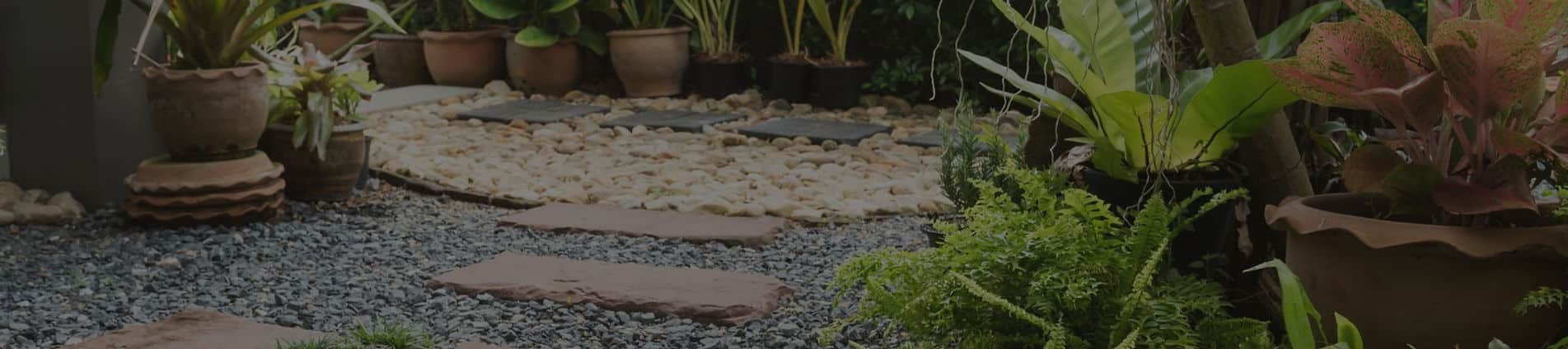
Xeriscape & Drought-Tolerant Landscaping in Colorado
Cut your outdoor water use by 50–75% with a professionally designed xeriscape. Serving Aurora, Denver, Centennial, Highlands Ranch, and the entire Front Range.
Colorado's Water-Smart Choice
What Is Xeriscaping — and Why Does It Matter in Colorado?
Xeriscaping (from the Greek xeros, meaning dry) is a landscaping approach that reduces or eliminates the need for supplemental irrigation. It was invented in Denver, Colorado in 1981 by Denver Water, making it perfectly engineered for the Front Range's semi-arid climate.
Colorado averages just 14–17 inches of rainfall per year — less than half the national average. Traditional Kentucky bluegrass lawns require 30–40 inches of water annually, meaning you're making up a 15–26 inch deficit entirely from your irrigation system. Xeriscape eliminates that deficit by design.
The result: a landscape that's lower-maintenance, lower-cost, fire-resistant, and — when professionally designed — more beautiful than a conventional lawn for most of the year.
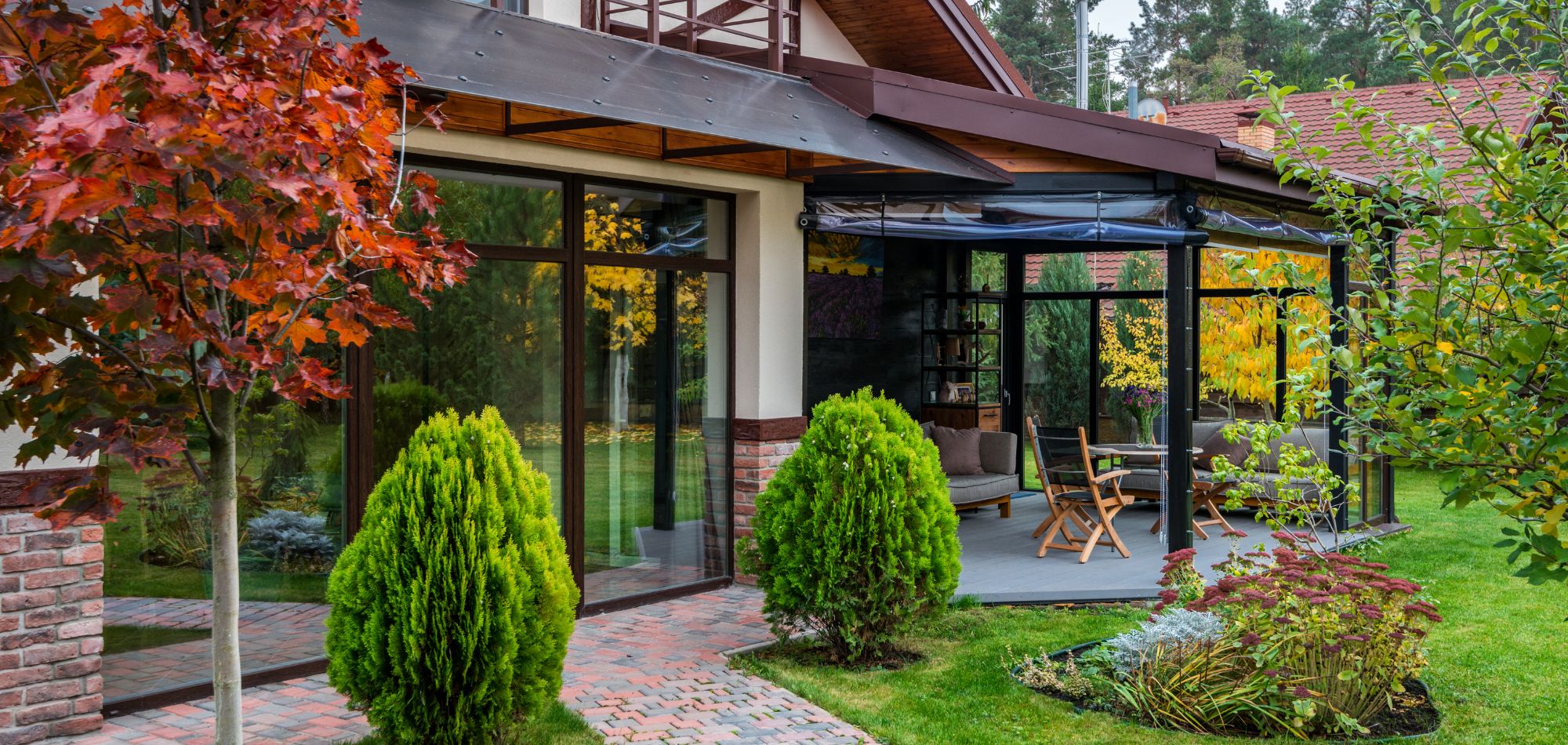
The Framework
The 7 Principles of Xeriscape Design
Every Blackpine Hardscapes xeriscape project is built on the seven principles developed by Denver Water — the gold standard for water-wise landscaping in Colorado.
Planning & Design
We start with a detailed site analysis — sun exposure, soil type, slope, existing irrigation, and your vision. A proper plan prevents costly mistakes and ensures plant communities thrive together.
Soil Improvement
Colorado's native soils are often clay-heavy or rocky. We amend with compost and organic matter to improve drainage and nutrient retention, giving plants the best possible start.
Efficient Irrigation
We convert or install drip and soaker irrigation systems that deliver water directly to root zones — reducing evaporation by up to 50% compared to spray systems. Smart controllers adjust to weather data automatically.
Plant Zones
We group plants by water need (hydrozoning), placing high-water plants near the house and progressively more drought-tolerant species toward property edges. This prevents overwatering and under-watering simultaneously.
Mulching
A 3-inch layer of organic or decorative rock mulch reduces soil temperature, slows evaporation, and suppresses weeds. It's one of the highest-ROI steps in any xeriscape installation.
Appropriate Plant Selection
We select Colorado native and adaptive plants that are proven performers on the Front Range — plants that survive -20°F winters, 100°F summers, late spring snows, and summer hail.
Appropriate Maintenance
Xeriscapes require less maintenance than traditional lawns — no weekly mowing, less fertilizing, less pest pressure. We provide a maintenance guide so your landscape thrives season after season.
Plant Selection
Top Drought-Tolerant Plants for Colorado Xeriscapes
The biggest xeriscape myth is that water-wise landscapes look sparse and brown. Here are the plants we use most often — all proven performers in the Aurora/Denver climate zone (USDA Zone 5b–6a).
| Plant | Type | Bloom Color | Bloom Season | Water Needs | Height |
|---|---|---|---|---|---|
| Blue Salvia (Salvia azurea) | Perennial | Blue/Purple | Aug–Oct | Very Low | 3–4 ft |
| Blanket Flower (Gaillardia) | Perennial | Red/Orange/Gold | Jun–Sep | Low | 1–2 ft |
| Catmint (Nepeta) | Perennial | Lavender | May–Sep | Low | 1–2 ft |
| Black-Eyed Susan (Rudbeckia) | Perennial | Yellow | Jul–Oct | Low | 2–3 ft |
| Penstemon (various) | Perennial | Red/Pink/White | May–Jul | Very Low | 1–4 ft |
| Blue Oat Grass (Helictotrichon) | Ornamental Grass | Blue-Gray | Foliage | Low | 2–3 ft |
| Prairie Dropseed (Sporobolus) | Native Grass | Tan/Bronze | Foliage | Very Low | 2–3 ft |
| Rocky Mtn. Penstemon | Perennial | Purple | May–Jun | Very Low | 2–3 ft |
| Agastache (Hyssop) | Perennial | Orange/Purple | Jul–Sep | Low | 2–4 ft |
| Apache Plume (Fallugia) | Shrub | White/Pink | May–Aug | Very Low | 3–6 ft |
| Rabbitbrush (Ericameria) | Shrub | Yellow | Sep–Oct | Very Low | 2–4 ft |
| Buffalo Grass | Native Turf | N/A | Foliage | Very Low | 4–6 in |
* All plants listed are rated for USDA Zone 5b–6a (Aurora/Denver metro). Water needs are rated relative to Kentucky bluegrass lawn requirements.
Investment & Savings
Xeriscape Cost Guide for Colorado Homeowners (2026)
Colorado xeriscape pricing depends on square footage, soil conditions, plant selection, and the amount of hardscape. Here's a realistic breakdown for the Aurora/Denver metro.
Small Yard
Up to 500 sq ft
- Lawn removal & disposal
- Soil amendment
- Drip irrigation conversion
- Native plant installation (15–25 plants)
- 3" rock or organic mulch
- Decorative edging
Est. water savings: $200–$400/yr
Mid-Size Yard
500–1,000 sq ft
- Everything in Small Yard
- Larger plant palette (30–50 plants)
- Decorative boulder placement
- Pathway or stepping stones
- Smart irrigation controller
- Season-long color sequencing
Est. water savings: $400–$800/yr
Large Yard
1,000–2,500 sq ft
- Everything in Mid-Size Yard
- Multiple plant communities
- Dry creek bed or rain garden
- Retaining walls or terracing
- Full hardscape integration
- Outdoor lighting design
Est. water savings: $800–$1,500/yr
Denver Water Rebate Program
Denver Water offers rebates of up to $2,500 for replacing turf with drought-tolerant landscaping. Aurora Water offers a similar Xeriscaping Rebate program. Blackpine Hardscapes can help you identify and apply for applicable rebates as part of your project — reducing your out-of-pocket cost significantly.
Water Savings: Xeriscape vs. Traditional Lawn (Annual)
| Yard Size | Traditional Lawn (gal/yr) | Xeriscape (gal/yr) | Annual Savings (gal) | Est. $ Savings/yr |
|---|---|---|---|---|
| 500 sq ft | 18,000 | 4,500 | 13,500 | $50–$100 |
| 1,000 sq ft | 36,000 | 9,000 | 27,000 | $100–$200 |
| 2,000 sq ft | 72,000 | 18,000 | 54,000 | $200–$400 |
| 5,000 sq ft | 180,000 | 45,000 | 135,000 | $500–$900 |
* Based on average Aurora Water rates of $4.00–$6.00 per 1,000 gallons. Actual savings vary by design, watering habits, and current irrigation efficiency.
How It Works
Our Xeriscape Installation Process
From first call to final mulch, here's exactly how Blackpine Hardscapes delivers your Colorado xeriscape.
Free Site Consultation
We visit your property to assess sun exposure, soil type, existing irrigation, drainage patterns, and your aesthetic goals. This consultation is free — no obligation.
3D Design & Plant Plan
Our designers produce a detailed planting plan and 3D rendering showing your finished xeriscape. You'll see color palettes, plant placement, hardscape elements, and irrigation layout before we break ground.
Proposal & Timeline
You receive a detailed, itemized quote with material specs and a realistic project timeline. No vague estimates — you know exactly what you're getting and when.
Site Preparation
We remove existing turf using sod cutters (not herbicides), grade for drainage, and apply soil amendments. Proper prep is what separates a xeriscape that thrives from one that struggles.
Irrigation Conversion
We convert your spray zones to drip irrigation, calibrated to each plant zone's water needs. Smart controllers are programmed to local weather data and seasonal ET rates.
Planting & Hardscape
Plants go in during the optimal window for root establishment. Boulders, pathways, dry creek beds, and edging are installed simultaneously for a seamless finish.
Mulching & Walkthrough
We apply a 3-inch mulch layer across all planting beds. You receive a maintenance guide, watering schedule, and a full project walkthrough so you know exactly how to care for your new landscape.
Side-by-Side
Xeriscape vs. Traditional Kentucky Bluegrass Lawn
Colorado conditions make this an easy decision on paper. Here's the full comparison.
| Factor | Traditional Lawn | Xeriscape |
|---|---|---|
| Annual water use (1,000 sq ft) | 36,000 gal | 6,000–9,000 gal |
| Monthly watering cost (summer) | $40–$80 | $8–$15 |
| Weekly mowing | Required (Apr–Oct) | Not required |
| Annual fertilizing | 2–4 applications/yr | Minimal / none |
| Pesticide/herbicide use | Often needed | Rarely needed |
| Fire resistance | Low (dry summer) | High (native plants) |
| Freeze-thaw resilience | Moderate | High (native species) |
| Visual interest in winter | Brown dormant grass | Ornamental grasses, texture |
| Water restriction compliance | Often restricted | Always compliant |
| Rebate eligibility | None | Up to $2,500 (Denver Water) |
Common Questions
Colorado Xeriscape FAQ
Answers to the questions Aurora and Denver homeowners ask most often before starting their xeriscape project.
What is xeriscaping and is it right for Colorado?
Xeriscaping is a landscaping method designed to minimize or eliminate the need for supplemental irrigation. It originated in Denver, CO in the 1980s — making it perfectly suited for Colorado's semi-arid climate. A well-designed xeriscape can reduce outdoor water use by 50–75% compared to a traditional lawn, making it ideal for the Front Range's water restrictions and hot, dry summers.
How much does xeriscaping cost in Colorado?
A full xeriscape installation in the Aurora/Denver metro typically costs $8–$18 per square foot, depending on plant selection, soil amendments, and hardscape elements. A 500 sq ft project runs $4,000–$9,000; a 1,500 sq ft project runs $12,000–$27,000. You'll typically recover the cost within 3–5 years through water savings alone. Many Denver Water customers also qualify for rebates of up to $2,500.
Does xeriscaping mean I can't have any grass at all?
Not at all. Xeriscaping means water-wise landscaping — not zero plants. Many xeriscape designs include drought-tolerant turf alternatives like buffalo grass or blue grama grass, ornamental grasses, and lush native perennials. The goal is reducing water dependency, not eliminating greenery. We design xeriscape spaces that are colorful, textured, and visually rich year-round.
How long does a xeriscape installation take?
A typical residential xeriscape project in the Denver metro takes 1–3 weeks depending on size. This includes site preparation and soil amendment, irrigation adjustment (drip or soaker systems), hardscape installation (paths, boulders, edging), planting, and final mulching. We coordinate all phases so your yard is disrupted for the shortest possible time.
Will my xeriscape look dry and brown?
This is the most common xeriscape myth. A professionally designed xeriscape blooms with color from April through October. Blue salvia, orange and red blanket flowers, purple catmint, yellow black-eyed Susans, and white penstemon create seasons of interest. Ornamental grasses add winter texture. Done right, your xeriscape will be the most visually striking yard on the block.
Do I need a permit for xeriscaping in Aurora, CO?
Generally no permit is required for planting-only xeriscape projects. If your design includes retaining walls over 30 inches, permanent irrigation system changes, or significant grading, a permit may be needed. Blackpine Hardscapes handles all permitting requirements as part of your project — you won't need to navigate the Aurora city process yourself.
Can Blackpine Hardscapes handle the irrigation changes for my xeriscape?
Yes. Converting from spray irrigation to a drip or soaker system is a core part of xeriscape installation. Drip irrigation delivers water directly to root zones, reducing evaporation by up to 50% compared to spray systems. Our team assesses your existing irrigation, designs the new layout, and installs everything with minimal disruption to your yard.
Xeriscape Service Areas in Colorado
Blackpine Hardscapes provides xeriscape design and installation throughout the Aurora CO area and the greater Denver metro, including:
- Aurora, CO
- Denver, CO
- Centennial, CO
- Highlands Ranch, CO
- Littleton, CO
- Englewood, CO
- Castle Rock, CO
- Greenwood Village, CO
- Roxborough, CO
Don't see your city? Contact us — we likely serve your area.
Get Your Free Xeriscape Consultation
Ready to cut your water bill and transform your yard? Contact Blackpine Hardscapes today.
✉️ admin@blackpinehardscapes.com
📍 Aurora, CO
🕐 Mon–Sun: 9:00 AM – 5:00 PM
Request Free Consultation